

In today’s competitive baking industry, industrial baking equipment plays a crucial role in achieving consistent quality, efficiency, and large-scale production. Whether for artisan bakeries, pastry factories, or large food processing facilities, the right equipment determines the productivity, hygiene, and profitability of every operation.
Understanding what industrial baking equipment entails, how it differs from traditional baking tools, and what makes it essential for modern production lines is key to making informed decisions for any baking business.
What Is Industrial Baking Equipment?
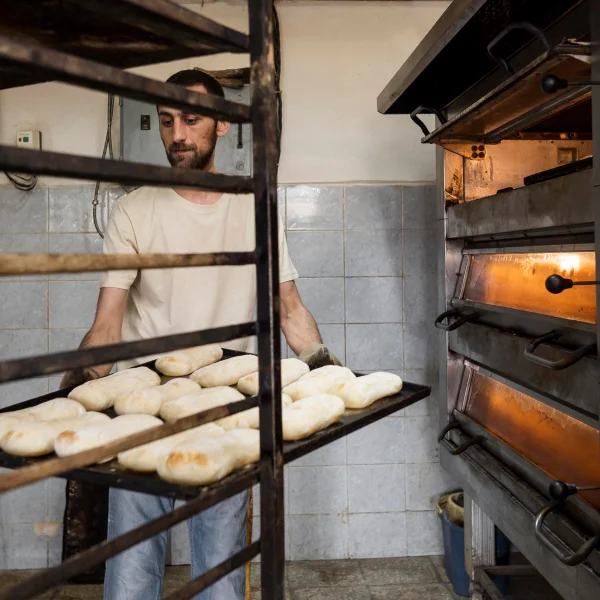
Industrial baking equipment refers to large-scale machinery designed for the production of baked goods in high volumes. Unlike small bakery appliances used in traditional or home baking, industrial systems are engineered to handle continuous production, automation, and strict temperature control. These machines are designed to minimize manual labour while ensuring product uniformity and food safety across batches.
Some of the most common types of industrial baking equipment include:
- Mixers and dough kneaders – designed for intensive use, capable of handling high-capacity dough batches with consistent texture.
- Ovens – from convection and rotary rack ovens to tunnel ovens, industrial models provide precise control of baking time, heat distribution, and humidity.
- Proofers and retarders – for controlling dough fermentation and achieving the desired rise and flavour development.
- Dividers and rounders – automate dough portioning and shaping, improving uniformity and reducing waste.
- Cooling and packaging systems – ensure baked products maintain freshness, hygiene, and shelf stability after baking.
How Industrial Baking Equipment Differs from Traditional Tools

While traditional bakery tools focus on craftsmanship and small-batch precision, industrial baking equipment is engineered for scalability and automation. These differences can be summarized in several key aspects:
- Capacity: Industrial systems are capable of processing hundreds or thousands of units per hour, whereas traditional equipment is suitable for limited, small-scale production.
- Consistency: Automated systems ensure uniform quality across every batch, reducing variations caused by manual handling.
- Efficiency: With programmable controls, industrial machines optimize baking times, energy use, and raw material consumption.
- Hygiene and safety: Equipment designed for industrial production follows strict food-grade standards, including stainless steel construction, easy cleaning, and compliance with HACCP guidelines.
- Integration: Many industrial setups include fully automated lines that integrate mixing, baking, cooling, and packaging into a single process.
For new entrepreneurs or established bakeries seeking to upgrade, understanding the best place to buy baking equipment can make all the difference. Reliable suppliers not only offer quality machines but also provide ongoing maintenance, technical expertise, and tailored solutions for different production scales.
Why Industrial Baking Equipment Matters
Investing in industrial baking equipment is not only about production volume—it’s about building reliability and quality into every step of the baking process. In large-scale environments, efficiency and precision are essential to meet growing market demands and maintain profitability.
Key benefits of industrial baking systems include:
- Improved energy efficiency through better insulation and heat recovery systems.
- Reduced labour costs thanks to automation and programmable settings.
- Enhanced product uniformity, ensuring every loaf, pastry, or cake meets exact specifications.
- Increased output capacity without compromising quality.
- Compliance with food safety standards, critical for commercial operations.
These advantages make industrial baking equipment an indispensable asset for any modern bakery or food manufacturer seeking to expand production while maintaining high quality standards.
Key Considerations When Choosing Industrial Baking Equipment
Selecting the right machinery depends on production goals, product variety, and available space. A thoughtful investment strategy should consider:
- Production capacity and scalability – ensuring equipment can handle current and future demand.
- Compatibility with existing systems – particularly for bakeries upgrading part of their production line.
- Maintenance and spare parts availability – essential for minimizing downtime.
- Energy consumption and sustainability – modern equipment should include features that reduce operational costs and environmental impact.
- Technical support and training – manufacturers should provide after-sales service and user training for optimal operation.
When sourcing industrial baking equipment, it’s also important to evaluate certifications, warranties, and manufacturer reputation to ensure reliability and long-term performance.
The Role of Technology in Modern Baking
Recent advancements in automation, data monitoring, and artificial intelligence are transforming industrial baking processes. Smart systems can now track baking parameters in real time, adjusting humidity, air circulation, and temperature automatically. These innovations not only improve consistency but also help reduce waste and enhance energy management.
Moreover, many bakery machines now come equipped with digital touchscreens, allowing operators to control entire production lines from a single interface. Predictive maintenance technology also helps identify potential mechanical issues before they lead to costly breakdowns.
A Competitive Advantage in the Baking Industry
The demand for consistent, high-quality baked goods in both retail and commercial sectors continues to rise. Investing in advanced commercial baking equipment ensures bakeries can meet that demand while maintaining profitability. Whether producing bread, pastries, or specialty desserts, the right setup can drastically reduce manual effort, increase throughput, and support business growth.
If your bakery or pastry production facility is ready to modernize or expand, consider partnering with experienced specialists who understand both the technical and operational needs of industrial baking. From installation to maintenance, professional guidance ensures your equipment investment delivers exceptional results for years to come.
→ Contact us.
